
A weighting scale is an essential device used in various industries, homes, hospitals, and laboratories to measure the weight of objects or individuals accurately. From managing your health goals to handling business transactions, a reliable weighting scale ensures precision, efficiency, and trust. This article explores everything you need to know about weighting scales: what they are, how they work, their different types, and how to choose the best one for your needs.
What is a Weighting Scale?
A weighting scale, also commonly referred to as a weighing scale, is a device designed to measure the weight or mass of objects. It works based on mechanical or electronic principles. The traditional versions use springs and levers to measure weight, while modern digital scales use load cells and microprocessors to deliver accurate readings instantly.
Whether you are checking your body weight, weighing ingredients in the kitchen, or handling heavy goods in a warehouse, a good weighting scale offers consistency and precision.
Common Types of Weighting Scales
There are several types of weighting scales available in the market, each suited to specific tasks and environments:
1. Digital Weighting Scale. Ans. of what is a weighting scale?
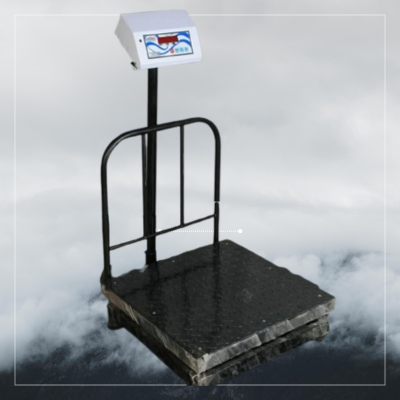
Digital scales are widely used today because of their ease of use, high accuracy, and clear digital display. They are commonly found in homes, gyms, hospitals, and retail stores.
Key Features:
- LCD/LED display
- Battery or USB-powered
- Auto shut-off function
- High precision sensors
2. Mechanical Weighting Scale. Ans. of What is a Weighting scale?
These scales use springs and levers to indicate weight via a needle and dial. They do not require batteries, making them useful in remote areas or places with limited power access.
Key Features:
- Rugged and durable
- No battery required
- Analog display
- Generally less precise than digital models
3. Kitchen Weighting Scale. Ans. of What is a Weighting scale
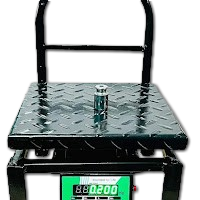
These compact devices are used to weigh ingredients for recipes. They are vital for portion control and baking.
Key Features:
- Small capacity (usually up to 5 kg)
- Tare function
- Measures in grams, ounces, and pounds
4. Body Weighting Scale
Used to monitor human body weight, these scales are common in households and health clinics.
Smart versions may include:
- BMI calculator
- Body fat percentage
- Bluetooth or app connectivity
5. Industrial Weighting Scale
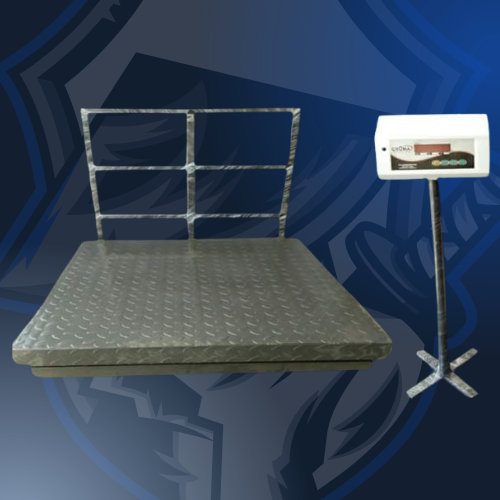
Heavy-duty scales used in warehouses, factories, and logistics. What is a Weighting scale
Key Features:
- High load capacity
- Reinforced platform
- Digital/analog hybrid systems
6. Precision Lab Scales
Used in laboratories and scientific research, these scales offer extreme accuracy for measuring small quantities of substances.
Key Features:
- Accuracy up to milligrams
- Enclosed weighing chambers
- Calibration features
Applications of Weighting Scales
1. Health and Fitness
Tracking weight regularly is important for personal health management. Smart body scales also help track fat percentage, muscle mass, and other health metrics.
2. Retail and Commerce
In supermarkets, shops, and street stalls, weighting scales are used to price goods based on weight, ensuring fairness and accuracy in transactions.
3. Food Industry
From restaurant kitchens to food factories, scales are used to measure ingredients, portion sizes, and packaged goods.
4. Manufacturing and Warehousing
Industrial scales are used to weigh raw materials, finished goods, or entire pallets, essential for inventory management and shipping.
5. Laboratories
Accurate measurements of chemicals and substances are crucial in research and scientific experiments.
6. Jewelry and Precious Metals
Precision is vital in measuring gold, silver, and gemstones, and specialized weighting scales are used in jewelry stores and pawn shops.
Benefits of Using a Weighting Scale
- Accuracy: Digital scales offer high-precision results, essential for diet tracking, commerce, and science.
- Convenience: Easy-to-read displays and features like tare functions enhance usability.
- Time-Saving: Instant readings help save time in cooking, shopping, and shipping.
- Data Tracking: Smart scales allow users to record and track weight data over time.
- Fair Trade: Retail scales ensure both buyers and sellers receive or pay for exactly what is due.
How to Choose the Right Weighting Scale
With so many options available, choosing the right weighting scale depends on your needs. Here’s what to consider:
1. Purpose
- Home use: Go for a simple digital body scale.
- Business use: Retail or industrial scale with legal-for-trade certification.
- Kitchen use: Compact scale with gram-level precision.
2. Capacity
Ensure the scale can handle the maximum weight you expect to measure. Kitchen scales may measure up to 5 kg, body scales up to 180 kg, and industrial scales over 1000 kg.
3. Accuracy
If you need very precise measurements (like in baking or labs), choose a scale with lower margin of error and high readability (e.g., 0.01 g).
4. Display
Choose a clear and backlit digital display for ease of reading, especially in low-light environments.
5. Power Source
Some scales are battery-powered, while others run on electricity or are manual (like mechanical types). Choose what suits your usage environment.
6. Material and Durability
Scales used in industrial environments should be made of sturdy materials like stainless steel, while home scales can be lighter in design.
7. Extra Features
Some advanced models offer:
- Bluetooth/Wi-Fi connectivity
- App support for data syncing
- Voice output
- Multi-user memory storage
Top Brands of Weighting Scales
Some popular and reliable brands that manufacture high-quality weighting scales include:
- Omron
- HealthSense
- Dr. Trust
- Equinox
- Atom
- Libra
- Tanita
- CAS
- Avery Berkel
Price Range of Weighting Scales
| Scale Type | Price Range (INR) |
|---|---|
| Kitchen Scale | ₹3500 – ₹6000 |
| Body Weight Scale | ₹800 – ₹5,000 |
| Industrial Scale | ₹5,000 – ₹1,00,000+ |
| Lab Precision Scale | ₹2,000 – ₹25,000+ |
Maintenance Tips for Longevity
- Keep the scale clean and dry. What is a Weighting scale?
- Do not overload it beyond capacity. What is a Weighting scale?
- Calibrate periodically for accuracy. What is a Weighting scale?
- Store in a dust-free environment. What is a Weighting scale?
- Replace batteries or charge regularly. What is a Weighting scale?
Conclusion
A weighting scale is far more than just a tool to check your body weight. It is an integral part of industries, health monitoring, food preparation, and daily life. With many varieties available, it is crucial to choose the right scale based on your requirements.
Weight Scale